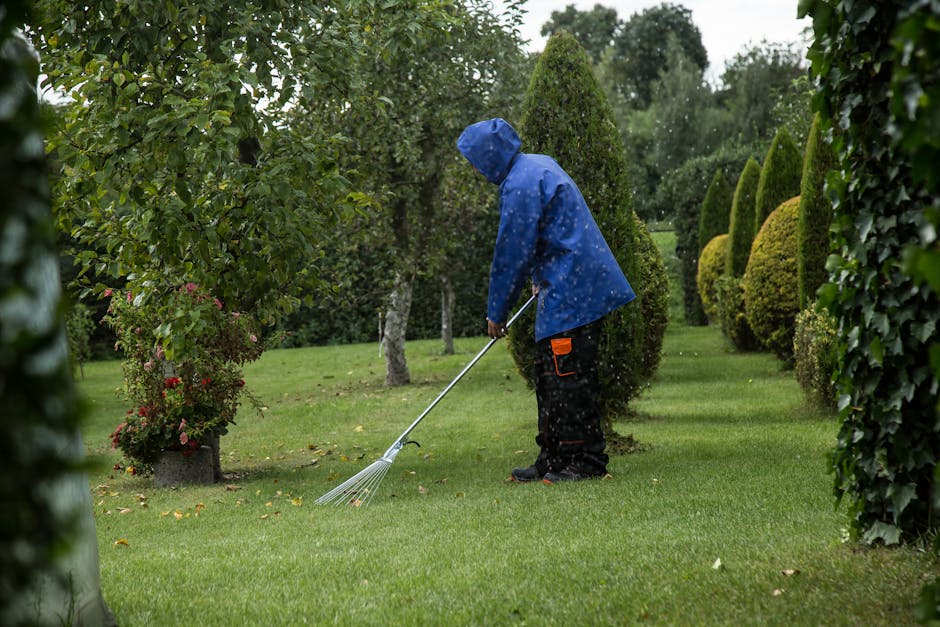
Hedge Trimming in Bounds Green

Hedge Trimming in Bounds Green is a straightforward service for keeping boundary planting, garden screening and formal shapes neat, manageable and healthy. We trim with the aim of improving appearance, encouraging controlled growth and helping hedges keep their intended line rather than becoming heavy, uneven or difficult to maintain. The work can suit recurring garden care or a one-off tidy-up where growth has run ahead of the season. Our services overview gives a useful starting point for the wider range of garden work available alongside hedge care.
Different hedges need different treatment, so the approach is never simply to cut everything back in the same way. A clipped evergreen screen, a flowering hedge and a mixed boundary each benefit from considered shaping, sensible timing and attention to the plant’s natural habit. In practice that means working to a clear finish, keeping growth balanced and avoiding unnecessary stress. If you are comparing garden upkeep options, garden maintenance can be helpful for understanding how trimming fits into broader seasonal care.
Our hedge trimming work is intended to leave the hedge visibly tidier while also supporting its ongoing form. That may include careful reductions on the outer growth, softening uneven sections, maintaining straight lines or helping a hedge recover a more disciplined outline after a period of unchecked growth. Good trimming is controlled trimming: it should improve the garden without stripping away the hedge’s usefulness as structure, privacy or a visual edge.
What hedge trimming covers
Well-planned hedge trimming can address a wide range of garden needs, from simple top-and-sides maintenance to more selective reshaping. The main aim is to keep the hedge within a suitable size and form, while still allowing healthy shoots to develop in the right places. For some gardens the priority is a crisp finish; for others it is reducing bulk so paths, drives or planting beds stay clear and easy to use. When hedge growth has become too dense for routine maintenance alone, garden clearance can be relevant for larger reclaiming tasks.
We can work with hedges that function as boundaries, windbreaks, privacy screens or ornamental features. Each of those roles brings different decisions. A hedge beside a walkway may need a narrow profile and clear clearance, while a garden screen may need a fuller shape to preserve coverage. Where access is tighter, the finish still matters: edges should look intentional, not rushed. For hedges that are closely tied to a larger plot layout, landscaping is a useful page to explore the wider setting in which trimming may sit.
Common hedge trimming tasks include:
- reducing overlong side growth
- neatening the top to a level or shaped line
- bringing the hedge back within a practical size
- removing awkward protrusions and untidy edges
- supporting a cleaner outline around entrances, paths and borders
Shaping, height control and finish

There is a clear difference between a quick cut and a finish that has been shaped with purpose. Hedge trimming often involves judging where the line should sit, how much of the current growth should be removed and whether the hedge needs to be slightly narrower at the top to let light reach the lower sections. Done well, the result is neater, more balanced and easier to keep under control next time. If the hedge forms part of a broader planting scheme, landscape gardening may be useful for understanding how structure and planting can work together.
Height control matters because an over-tall hedge can become awkward to manage, block sight lines or put its best growth out of reach. In those situations, the work needs to be handled with care so the hedge stays tidy without being reduced so aggressively that it loses too much shape at once. We also consider tapering, which can help the hedge stand more evenly and avoid excessive shading at the base. This is especially important where a hedge needs to remain an attractive feature rather than just a barrier.
Not every hedge benefits from the same style of finish. Formal hedges usually need a cleaner geometry, whereas informal boundary hedges can look better with a slightly softer outline. Our trimming aims to respect that difference, so the result looks suitable to the garden rather than forced into one standard shape. Where the hedge sits alongside lawns, neat borders or other tidy features, even a modest trim can make the whole space feel better resolved.
Hedges in seasonal care
Seasonal timing is one of the main reasons hedge trimming produces good results or disappointing ones. Some hedges are best kept to lighter, more frequent trims, while others may tolerate more defined cuts at particular times of year. The key is to match the work to the plant type and the condition of the hedge, rather than relying on a single routine for everything. If the hedge is part of a larger lawn-and-border routine, lawn mowing can sit alongside trimming as part of a simple garden presentation plan.
A seasonal approach also helps you decide whether the priority is tidying, reducing or reshaping. A hedge that has only just begun to stray may need a minor maintenance trim, while one that has not been cut for some time could need a more deliberate reset of its line. Good planning keeps the work proportionate. It also means the hedge can continue to do its job, whether that is screening, marking a boundary or softening the hard edges of paving and fencing.
When hedge growth has become intertwined with other garden tasks, it is often best to treat the garden as a sequence of jobs rather than a single quick visit. That is especially true where the hedge also affects access, overhangs a lawn or crowds planting beneath it. The trimming itself remains the focus, but thoughtful sequencing can produce a cleaner overall result and reduce the chance of missed details.
Access, preparation and quoting

To prepare for a quotation, it helps to think about the hedge’s length, approximate height, whether all sides are reachable and whether any sections are especially thick, tall or awkwardly positioned. Photographs can be useful where the hedge is difficult to describe or when there are several separate areas needing attention. Any notes about gates, shared access or nearby surfaces can also help the scope to be understood clearly. If you want to compare that with wider pricing information, pricing and quotes is a practical page to review.
We keep this part of the process focused on the work itself: what needs trimming, how much of the hedge is involved and what kind of finish you would like. That usually gives enough information to discuss a sensible plan without unnecessary complication. If there are sections with restricted access, or if a hedge is mixed with trees or overgrown planting, those points are worth mentioning at the outset so the job can be assessed in a realistic way. Clear detail leads to a clearer quotation.
For customers who are also thinking about longer-term garden improvement, trimming can be scheduled alongside other useful work, but it is still sensible to separate what is essential from what is optional. That helps keep the quotation focused and avoids confusion between hedge care, general tidying and broader design changes. If you are ready to talk through the work, contact us to request a quotation.
When a hedge needs more than a light tidy
Some hedges can be improved with a regular tidy, but others need a more considered intervention because they have become too wide, too high or uneven through age and missed maintenance. In those cases, trimming may involve phased reduction, selective correction of weak areas or a careful approach to restoring the hedge’s outline. The aim is still neatness, but also realism: if a hedge has drifted too far from its intended shape, the work should be measured and appropriate rather than rushed. For thicker growth and heavier material, tree lopping and removal may be relevant where woody or tree-like growth overlaps with hedge work.
There are also times when hedge trimming helps reveal issues that were not obvious from a distance, such as bare lower sections, dead material or an uneven structure. A trimming plan can then be adapted to the hedge’s condition instead of applying an inflexible cut. This can be useful for hedges that have been left to become dense at the top and sparse underneath. Careful shaping may improve light penetration and make the hedge easier to maintain in future, even if the immediate result is more restrained than a dramatic reduction.
Not every garden needs the same level of intervention. In some cases, a precise tidy is all that is needed to restore the space to order. In others, the hedge has become a more dominant feature and needs the sort of adjustment that makes the whole garden feel usable again. Either way, the work should support the hedge’s role rather than fight against it.
Hedge types and practical decisions
Different hedge types call for different decisions about cut depth, timing and finish. Evergreen hedges often benefit from regular shaping to keep them dense and uniform, while deciduous hedges may have a looser feel and respond better to a slightly softer outline. Flowering hedges can also need restraint so that trimming does not remove too much of the growth responsible for seasonal interest. These distinctions matter because the right result is not simply neatness; it is neatness that still suits the plant and the garden setting.
Where a hedge sits close to paving, fencing or neighbouring planting, the work may need a more careful touch to prevent damage and keep the surrounding areas tidy. This is especially relevant when the hedge forms a long boundary and every small irregularity becomes noticeable. A well-trimmed hedge should look even from the main viewing angles and still remain practical from the working side. If the hedge is part of a larger garden scheme, decking services may be relevant to nearby outdoor surfaces that benefit from a tidy edge and clear definition.
Decisions about hedge trimming are often best made with a clear sense of what the hedge is meant to do. Is it there to mark a line, protect privacy, frame a lawn or simply soften a boundary? Once that role is clear, the trimming plan can be set around it. That keeps the finish purposeful, avoids over-cutting and helps the hedge remain an asset rather than an obstacle in the garden.
About Bounds Green
Bounds Green is an area in the London Borough of Haringey, in north London, and its identity is shaped by both its transport links and the layers of development around them. The name is shared by the Underground station, the local road network and the surrounding residential district, which gives the area a clear sense of place even though its edges blend into nearby neighbourhoods such as Wood Green, Bowes Park and Alexandra Palace. Much of the character of Bounds Green comes from its mix of late Victorian and Edwardian terraces, interwar housing and later infill, with streets arranged around long-established residential corridors rather than a single central square. The nearby Piccadilly line station, opened in 1932, remains one of the area’s most recognisable landmarks and is part of the wider network that ties this corner of north London to the rest of the capital. Green space is also important to local identity. Broomfield Park lies to the north-west of the district, while Ally Pally’s open land and views are a short distance away, and these spaces contribute to the area’s balance of urban density and accessible open ground. The area’s roads and housing are also influenced by historic routeways running through north London, which helped shape the pattern of settlement before the post-war period filled in many of the remaining gaps. In everyday terms, Bounds Green feels like a well-connected residential place rather than a theatrical centre, with a practical mix of homes, small parades, schools and movement routes. That blend of domestic streets, transport access and nearby open space gives it a steady, lived-in quality that has developed over many decades.
Keeping hedge work consistent

Once a hedge has been brought back into shape, consistency becomes the main way to keep it looking good. Regular trimming is usually simpler than allowing the hedge to drift into a condition where major correction is needed. The right routine depends on growth rate, hedge type and the level of precision you want to maintain. Some hedges respond best to lighter, repeated trims; others only need a firm tidy when growth begins to distort the outline. In either case, the goal is the same: preserve a clear, controlled line and avoid the stop-start cycle of neglect and rescue.
It can also help to think about the hedge in relation to the rest of the garden. If one side of the hedge faces a seating area, a pathway or the front of the property, the visual standard may need to be slightly higher there. If the opposite side is more functional, the trim can still be clean without demanding the same level of finesse. That sort of judgement keeps the work efficient and ensures the most visible parts of the garden receive the best finish. Recycling and sustainability may also be of interest where green waste handling is part of your decision-making.
Good hedge trimming is about respect for proportion as much as it is about cutting. A hedge that is too tall, too wide or too shaggy can dominate the rest of the garden, while a hedge that has been over-reduced can look weak and unfinished. The right result sits in the middle: neat, stable and consistent, with enough growth left to maintain health and shape. That is the standard we work towards.
Supportive garden services
Although hedge trimming is the main focus here, it often sits naturally alongside other garden services when a property needs a more coherent tidy-up. Lawns, borders, overgrown corners and structural planting can all affect how a hedge is perceived, because a clean hedge framed by a neglected garden will never look quite as settled as it should. Where a more rounded improvement is needed, combining the right tasks can give the whole space a stronger finish without losing the specific attention that hedge work requires. For broader garden care, about us gives a route to learn more about the business pages available on the site.
Useful complementary services may include lawn care, garden clearance and selected landscaping tasks where they help the hedge sit properly in the garden. The point is not to add unnecessary work, but to match the service to the condition of the space. A hedge with clear edges and a tidy setting usually looks better than one trimmed in isolation. Likewise, a hedge set against improved beds, clearer borders or better-defined surfaces can feel more deliberate and easier to maintain over time.
If you are planning a hedge trim and would like a quotation, it is worth outlining the hedge’s length, height and condition together with any access issues. You do not need to overcomplicate it: a few clear details are usually enough to begin. If you are ready to make contact, request a quotation and we can discuss the hedge trimming work you have in mind.
Making the most of a trimmed hedge
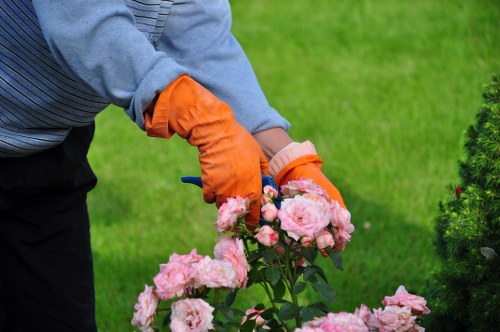
A well-trimmed hedge does more than make a garden look neat on the day of the visit. It can sharpen the sense of boundary, open up blocked views and help the rest of the planting read more clearly. When the hedge line is balanced and the finish is intentional, the entire outdoor space tends to feel more organised. That is one of the reasons hedge trimming is such a valuable part of routine garden care: it changes the look of the garden without requiring a complete redesign or major structural work.
There is also practical value in keeping a hedge within a manageable shape. Paths stay clearer, nearby planting receives less crowding and the hedge itself is less likely to become difficult to maintain next time. Where a hedge has a prominent front-facing role, a tidy finish can make the property look more looked after without exaggeration or unnecessary embellishment. The work is simple in purpose but important in effect, especially when carried out with care and attention to the details that matter.
Whether you need a seasonal tidy, a sharper line or help bringing an overgrown hedge back under control, we can discuss the right level of hedge trimming for your garden in Bounds Green. If you would like to move forward, please request a quotation.