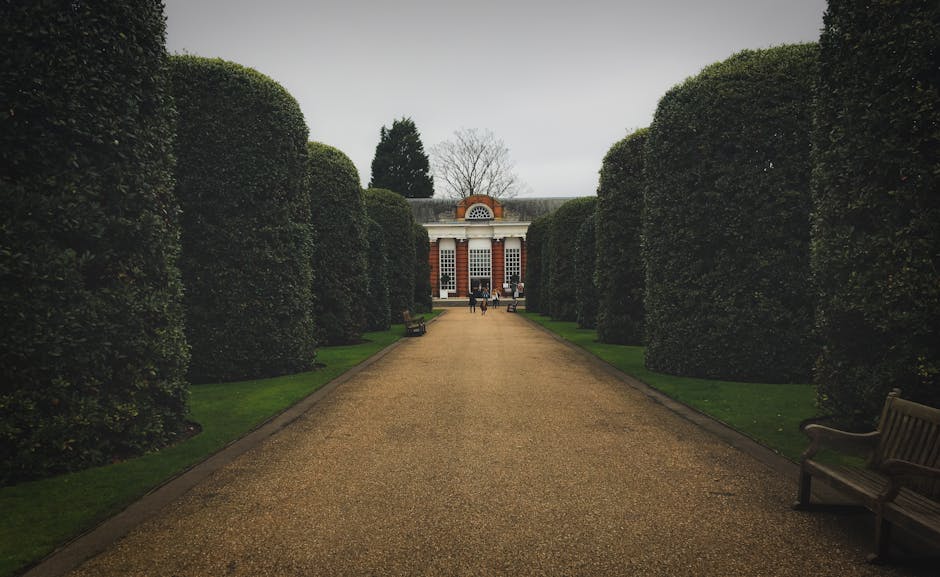
Bounds Green gardeners serving homes near Alexandra Palace
If you live near Alexandra Palace, you already know the garden can feel like a little world of its own. One week it is all tidy borders and clipped hedges; the next, the wind, shade, dry patches, or a burst of growth has changed the whole picture. That is where Bounds Green gardeners serving homes near Alexandra Palace can make a real difference. They understand the mix of older terraces, family homes, compact front gardens, and the sort of back spaces that need smart, regular attention rather than a one-size-fits-all approach.
This guide breaks down what local garden help actually looks like, how the work is usually planned, what benefits you can expect, and how to choose the right service for your place. Whether you need routine upkeep, a seasonal reset, or something more involved, you will find practical advice here that saves time and avoids the common headaches. Truth be told, a well-kept garden around here is less about perfection and more about consistency.
Table of Contents
- Why Bounds Green gardeners serving homes near Alexandra Palace Matters
- How Bounds Green gardeners serving homes near Alexandra Palace Works
- Key Benefits and Practical Advantages
- Who This Is For and When It Makes Sense
- Step-by-Step Guidance
- Expert Tips for Better Results
- Common Mistakes to Avoid
- Tools, Resources and Recommendations
- Law, Compliance, Standards, or Best Practice
- Options, Methods, or Comparison Table
- Case Study or Real-World Example
- Practical Checklist
- Conclusion
- Frequently Asked Questions
Why Bounds Green gardeners serving homes near Alexandra Palace Matters
Gardens near Alexandra Palace and the surrounding Bounds Green area often face a mix of conditions that can make maintenance feel more complicated than it first appears. Some plots are shaded by mature trees or neighbouring buildings. Others are more exposed and dry out quickly in warm spells. Then there is the simple reality of city living: small outdoor spaces, limited storage for tools, and not enough hours in the week.
That is why local knowledge matters. A gardener who regularly works in the area tends to understand what grows well in these conditions, how to keep hedges under control without turning them into bare sticks, and how to manage lawns that get patchy after a spell of foot traffic or bad weather. You notice the difference in the details. Beds look deliberate, paths stay clear, and the whole space feels easier to use.
There is also a practical side. In many London gardens, neglect creeps up quietly. A couple of skipped visits can lead to overgrown edges, self-seeded weeds, blocked drains, or a hedge that suddenly needs more than a quick tidy. Local gardeners help prevent that slide. A small, regular service is often far less disruptive than a big rescue job later on.
Practical takeaway: local gardening support is not just about appearance. It is about keeping the garden manageable, protecting plant health, and avoiding the "we will sort it next month" trap that turns into a much bigger job.
How Bounds Green gardeners serving homes near Alexandra Palace Works
In simple terms, the process usually starts with understanding the garden as it is, not as you imagine it should be on a sunny Sunday. A good gardener will look at the layout, the light levels, the plants already there, the condition of the lawn, the access points, and what kind of maintenance rhythm makes sense for you. That first review matters more than people think. It keeps the work realistic.
From there, the service is typically shaped around a few common tasks. These might include lawn mowing, hedge trimming, border weeding, pruning, leaf clearance, planting, seasonal tidy-ups, or more involved garden clearance if things have got a bit out of hand. Some gardens need one-off attention. Others benefit from a regular maintenance plan so they never drift too far.
In practice, this means the gardener arrives with the right tools, works methodically, and leaves the site cleaner than they found it. Small jobs can often be done in a single visit. Bigger gardens or more complex outdoor spaces may be phased over several sessions. To be fair, that is usually the better approach anyway; rushed gardening rarely looks good for long.
If structural work or a larger redesign is needed, the service may extend into landscape gardening or landscaping. That can cover new planting layouts, hard landscaping features, or reshaping the garden so it is easier to maintain. If you are thinking beyond basic upkeep, browsing the broader services overview is a sensible first step, because it shows how routine care and larger improvements can fit together.
Key Benefits and Practical Advantages
There is a reason people keep returning to regular garden care. It simply makes life easier.
- Less stress: you are not staring out at an overgrown mess every time you open the back door.
- Better plant health: dead growth, compaction, and poor timing can all be addressed before they cause lasting damage.
- Improved kerb appeal: neat borders and trimmed hedges make a home feel cared for from the street.
- Safer access: overgrown paths, slippery moss, and obstructed steps become less of a nuisance.
- More usable space: a garden is easier to enjoy when it does not feel like a weekend project waiting to happen.
- Seasonal resilience: gardens handled regularly tend to cope better with dry spells, heavy rain, and sudden growth.
One practical advantage often overlooked is decision fatigue. If you know the lawn gets cut on a predictable schedule and the hedges are kept in shape, you do not have to keep reconsidering the same jobs. That alone is worth something. Really worth something.
Another benefit is better prioritisation. A local gardener can tell you whether the issue is a quick tidy, a pruning job, a soil problem, or simply that the garden needs time to recover after recent work. Not everything needs a major fix. Sometimes the honest answer is: mow, mulch, and wait a fortnight.
Who This Is For and When It Makes Sense
This kind of service is a good fit for a wide range of homeowners and landlords near Alexandra Palace. If you have a busy schedule, a family garden that gets heavy use, or outdoor space that just needs dependable upkeep, the value is obvious. But it can also make sense if you enjoy gardening and simply want help with the heavier or more technical tasks.
It is especially useful for:
- Homeowners who want regular maintenance without losing weekends to chores
- Landlords who need outdoor areas kept presentable between lets
- Older residents who prefer assistance with physical tasks
- New homeowners still learning what the garden needs through the seasons
- People preparing to sell and wanting the garden to look tidy and welcoming
- Anyone dealing with an unruly hedge, patchy lawn, or overgrown borders
It also makes sense after a period of neglect. Maybe you have been away, maybe the weather has run away with the weeds, or maybe life just happened. Happens to the best of us. In those moments, a local gardener can reset the space without you having to tackle it alone in one exhausting weekend.
If the issue is more specific, such as dense waste, tangled growth, or a garden that has become difficult to walk through, services like garden clearance can provide a cleaner starting point before regular maintenance begins.
Step-by-Step Guidance
If you are considering garden help for a property near Alexandra Palace, here is a sensible way to approach it.
- Walk the garden first. Note what bothers you most. Is it the lawn, the hedge, the weeds, or the overall clutter?
- Separate urgent work from cosmetic work. Safety and access issues come first. Looks can follow.
- Think about frequency. A lawn may need more regular attention than borders or shrub beds.
- Decide whether this is a one-off or ongoing service. One-off jobs suit clearance and seasonal resets. Ongoing visits suit households that want a consistently tidy result.
- Share access details and practical constraints. Narrow side gates, pets, parking, water access, and storage all affect how the job is handled.
- Ask for a clear scope. What is included? What is not? A good brief avoids awkward surprises.
- Review after the first visit. A decent gardener will adjust based on what the garden actually needs, not just what was expected on paper.
For example, if your lawn is uneven and your hedges are overgrown, it may be wiser to combine lawn mowing with hedge trimming rather than treating them as separate, disconnected jobs. That keeps the whole garden in proportion. Little things like that matter more than most people realise.
And if your space needs more than maintenance, not just more effort but a better layout, then a chat about landscape gardening or broader landscaping can help you make the garden easier to live with long-term.
Expert Tips for Better Results
A few straightforward habits can make a big difference, even before the gardener arrives.
- Keep edges accessible. If the gardener can reach the borders and hedge line easily, the work is quicker and neater.
- Do not let mowing slip too long. Very long grass is harder on the lawn and slower to cut.
- Water less often, but more thoughtfully. Shallow daily watering tends to encourage weak rooting in many situations.
- Mulch where appropriate. It helps retain moisture and suppress weeds in beds.
- Prune with purpose. Random cutting usually causes more harm than good.
- Plan for seasonal mess. Leaves, seed drop, and spring growth are all predictable. You do not have to love them, but you can prepare for them.
A small but useful tip: keep a short note of what you want to improve over the next three months. Not a grand plan. Just a few lines. Maybe "sort the left border," "reduce hedge height," or "bring the back lawn back to life." That makes conversations simpler and gives the work a sense of direction.
If privacy is a concern, especially on more open plots, strategic planting or tall container arrangements can help soften overlooked spaces. There is a helpful discussion of that idea in this garden privacy article, which is worth a look if you are trying to make a small outdoor space feel calmer and more enclosed.
Common Mistakes to Avoid
Most garden problems are not dramatic. They are cumulative. A bit too much trimming here, a bit too little mowing there, and suddenly the space feels neglected. Here are the mistakes we see most often.
- Trying to do everything at once: big gardens usually need prioritisation, not chaos.
- Cutting hedges too hard: a severe cut can leave gaps and slow recovery.
- Ignoring lawn condition: grass tells you a lot about drainage, shade, and wear.
- Leaving waste behind: the garden may look "done" until the piles of cuttings start rotting in the corner.
- Mixing maintenance with redesign without a plan: it is easy to create half-finished beds and awkward access routes.
- Booking one visit and hoping for a permanent fix: some gardens need follow-up, simple as that.
One classic misstep is treating a garden like a single problem. It usually is not. A patchy lawn, for example, may be a mowing issue, a shade issue, a drainage issue, or all three. Same with hedges. Same with beds. A good gardener separates the symptoms from the cause instead of just making things look neat for five minutes.
Let's face it, there is a difference between "tidy" and "sorted."
Tools, Resources and Recommendations
Good results depend on having the right tools for the job. For regular garden care, that usually includes reliable mowers, hedge trimmers, pruning tools, rakes, wheelbarrows, and waste sacks or collection arrangements. For larger or more complex work, stronger cutting equipment, safety gear, and proper transport for green waste may be needed.
If you are comparing services, ask how waste is handled, whether the team brings their own equipment, and how they manage seasonal jobs. A gardener who works neatly will usually think about the finish as much as the cut. That means cleared paths, swept hard surfaces, and cuttings removed rather than left to blow around the patio.
Useful service pages to understand the range of work include garden maintenance for ongoing care, tree lopping and removal for larger woody growth, and decking services if the garden includes timber features that need attention alongside planting areas.
If you are also interested in keeping the garden environmentally sensible, look at the approach to waste handling and reuse. The page on recycling and sustainability is useful because it highlights the importance of reducing waste where possible and disposing of green material responsibly. No one wants the garden to look great while creating a mess behind the scenes.
Law, Compliance, Standards, or Best Practice
For most domestic garden work, the key concerns are safety, property care, and responsible waste handling. If a gardener is using power tools, ladders, or working near boundaries, sensible precautions should be in place. That includes clear working practices, suitable protective equipment, and care around people, pets, sheds, fences, and neighbouring property.
Insurance and safety also matter. If work involves tree pruning, hedge reduction, or higher-risk tasks, it is reasonable to ask how the service approaches risk and whether the work is covered appropriately. You do not need a lecture. You just need confidence that the job will be handled properly. For that reason, it is sensible to review the site's insurance and safety information and the health and safety policy before booking larger or more involved work.
Waste removal should also be handled carefully. Garden cuttings, soil, timber, and related material should not be dumped casually or left to become a nuisance. Good practice usually means separating reusable material where practical, removing waste cleanly, and keeping access routes safe during the job.
There is also the human side of compliance: being respectful of neighbours, keeping noise to reasonable hours, and avoiding unnecessary disturbance. In a place like Bounds Green, where gardens can sit quite close together, that courtesy goes a long way.
Options, Methods, or Comparison Table
If you are deciding how to manage your garden near Alexandra Palace, the main options usually come down to regular maintenance, one-off tidy-ups, or a bigger improvement project. Each has its place.
| Approach | Best for | Strengths | Watch-outs |
|---|---|---|---|
| Regular maintenance | Busy households, steady upkeep, lawns and borders | Keeps the garden under control, spreads work evenly through the year | Less suitable if the garden is already heavily overgrown |
| One-off tidy-up | Seasonal resets, post-holiday catch-up, sale preparation | Quick visual improvement, clear start point | Problems can return if follow-up care is missed |
| Garden clearance | Neglected spaces, move-ins, major resets | Creates a clean slate | May uncover underlying issues that then need more work |
| Landscape or redesign project | Unusable layouts, poor drainage, awkward access | Improves long-term function and appearance | Needs more planning and usually a bigger budget |
For many homeowners, the smartest route is not the flashiest one. It is the one that matches the way they actually live. If you want low fuss, regular maintenance wins. If the garden has gone past the point of a simple tidy, start with clearance. If the space itself is the issue, then a redesign may be the better investment. Simple, really.
Case Study or Real-World Example
Consider a typical house near Alexandra Palace with a medium-sized rear garden, a slightly tired lawn, one hedge running along the boundary, and borders that have become a bit crowded over time. The owners like the space, but they have been patching it together with occasional weekend efforts. Then spring hits. Growth takes off, the hedge starts leaning outward, and the lawn shows uneven patches after months of stop-start care.
A practical response would not be to rip everything out. It would likely begin with a tidy-cut of the hedge, a proper mow, edging to define the lawn, and selective weeding in the borders. Any dead material would be cleared. After that, the gardener might recommend a short series of follow-up visits so the garden settles into a rhythm instead of slipping back again.
That sort of job is common because it is realistic. No drama, no overpromising. Just steady improvement. You can almost feel the difference when you step outside the back door the following week: less clutter, clearer lines, and the quiet sense that the garden is back on your side.
In many cases, the owners also realise they do not need every corner to be "done" at once. They just need the space to feel manageable. That is often the real win.
Practical Checklist
Use this checklist before booking work or arranging a maintenance visit.
- Identify the most urgent jobs first.
- Decide whether you need a one-off visit or ongoing care.
- Note access issues such as narrow gates, parking, or rear entry.
- List any plants or areas you want protected.
- Confirm whether waste removal is included.
- Ask what equipment is brought to the property.
- Check whether mowing, pruning, or hedge work should be combined.
- Consider whether the garden needs clearance before maintenance.
- Review any safety or insurance information for larger jobs.
- Think about the result you want: tidy, low-maintenance, or redesigned.
A small bit of planning here saves a lot of back-and-forth later. And frankly, it helps everyone start on the right foot.
Get a free quote today and see how much you can save.
Conclusion
Choosing Bounds Green gardeners serving homes near Alexandra Palace is really about making outdoor life easier, calmer, and more dependable. The right local help keeps hedges under control, lawns looking cared for, and borders from becoming a source of low-level stress every time you glance outside. It also gives you something a bit more valuable than a tidy finish: confidence that the garden can stay that way.
Whether you need simple maintenance, a one-off reset, or a more thoughtful approach to landscaping, the best results usually come from clear priorities and steady follow-through. No grand speeches needed. Just good work, done properly, at the right time.
If your garden has been asking for attention for a while, that is not a failure. It is just a sign that it is time to get it back into shape, one sensible step at a time. And once it is sorted, you really do feel it every time you open the door.
Frequently Asked Questions
What do Bounds Green gardeners serving homes near Alexandra Palace usually help with?
They typically help with routine garden maintenance such as mowing, hedge trimming, weeding, pruning, clearance, and seasonal tidy-ups. Some also handle larger improvements like landscaping, planting, or garden redesign. The exact mix depends on the property and how much work the garden needs.
How often should a garden near Alexandra Palace be maintained?
That depends on the size of the space, the planting, and how quickly things grow. Lawns often need more frequent attention than borders, while hedges may need periodic trimming rather than constant care. A local gardener can suggest a sensible rhythm after seeing the garden in person.
Is a one-off garden tidy-up enough?
Sometimes, yes. If the garden just needs a seasonal reset or a catch-up after a busy spell, a one-off tidy-up can be enough. But if the space tends to get messy again quickly, regular maintenance is usually the better long-term choice.
What is the difference between garden maintenance and garden clearance?
Garden maintenance is ongoing care that keeps the space neat and healthy. Garden clearance is a more intensive job that removes overgrowth, debris, and clutter to create a clean starting point. Many neglected gardens need clearance first, then maintenance after that.
Can local gardeners help with small gardens as well as larger ones?
Yes, and small gardens often benefit the most from professional attention because every square metre matters. Compact spaces near Alexandra Palace can look much better with careful mowing, border management, and smart pruning. Small gardens are no less work, just less forgiving.
How do I know if my hedge needs trimming or full reduction?
If the hedge is just uneven or beginning to encroach on paths and boundaries, trimming may be enough. If it has grown significantly beyond its intended size or shape, a reduction may be more appropriate. A good gardener will usually assess the plant type and current condition before recommending a method.
Are there safety considerations for tree or hedge work?
Yes. Anything involving ladders, tall growth, or power tools should be handled with care. It is sensible to check that the work is carried out with proper safety practices and adequate insurance. For bigger tasks, this matters more than most people expect.
What should I ask before booking a gardener?
Ask what is included, whether waste removal is part of the service, what equipment is used, and whether the job is a one-off or ongoing arrangement. It also helps to explain any access issues, pets, or areas you want preserved. Clear details lead to better results.
Can a gardener improve privacy in my outdoor space?
Yes, to a point. Pruning, hedge management, and strategic planting can all help make a garden feel more enclosed and comfortable. In some cases, container planting or taller shrubs can soften overlooked areas without turning the space into a green wall.
What if my garden has been neglected for months?
That is more common than people admit. A neglected garden usually needs a sensible reset rather than panic. Clearance, selective pruning, mowing, and waste removal can bring the space back to a manageable baseline. After that, regular maintenance helps stop it sliding back.
Do I need ongoing work after the first visit?
Not always, but many gardens benefit from follow-up care after the initial tidy-up. The first visit often reveals what the space really needs, and a short maintenance plan can keep it in good condition. The aim is not endless visits; it is a garden that stays under control.
How do I choose between maintenance, clearance, or landscaping?
Choose maintenance if the garden is generally fine but needs regular upkeep. Choose clearance if it is overgrown or cluttered. Choose landscaping if the layout, structure, or long-term usability of the garden needs improvement. If you are unsure, start with a walkthrough and a practical conversation about priorities.