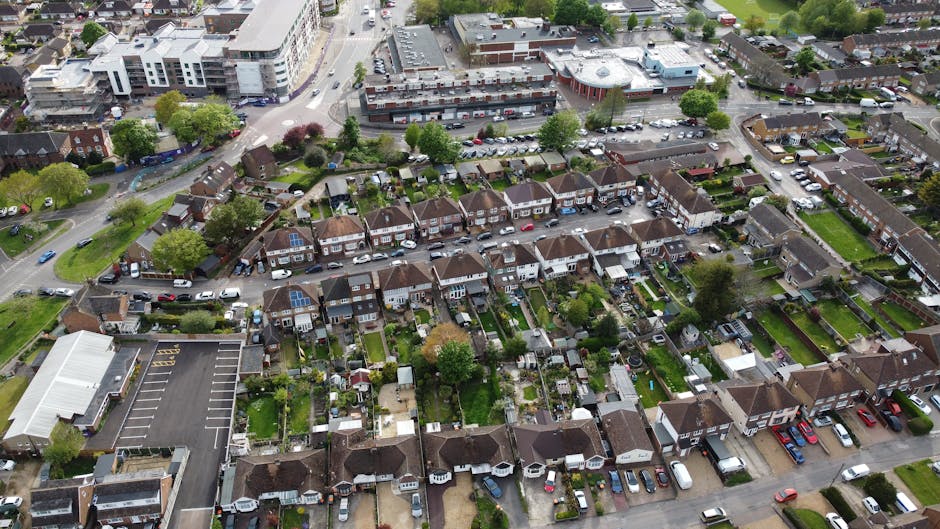
Access problems for garden services in Bounds Green: a practical guide for homeowners and landlords
If you have ever tried to arrange garden work and realised the path is narrow, the gate sticks, or the only way in is through a shared side return, you already know the headache. Access problems for garden services in Bounds Green can turn a simple lawn cut, hedge trim, or garden clearance into a job that needs real planning. The good news? Most access issues are manageable once they are identified early. This guide explains what the problem usually looks like, why it matters, and how to make garden work safer, quicker, and less stressful for everyone involved.
In a busy London area like Bounds Green, access is rarely just about opening a gate. It can involve parking, carry distance, neighbour permissions, stairs, bin stores, narrow passages, fragile paving, and even timing around school runs or shared-use drives. Let's face it, gardens are not always designed with a wheelbarrow in mind. But with a bit of forethought, you can avoid delays, extra labour, and awkward last-minute surprises.
Below, you will find a clear breakdown of the main issues, the best ways to handle them, and the practical steps that make a real difference on the day.
Table of Contents
- Why access problems in Bounds Green matter
- How access challenges affect garden services
- Key benefits of planning access properly
- Who this is for and when it makes sense
- Step-by-step guidance for smoother access
- Expert tips for better results
- Common mistakes to avoid
- Tools, resources and recommendations
- Law, compliance and best practice
- Options and comparison table
- Case study or real-world example
- Practical checklist
- Conclusion
- Frequently asked questions
Why access problems in Bounds Green matter
Garden services are usually priced and scheduled around time, labour, and equipment. Access affects all three. If a team cannot park close by, has to carry waste through a tight hallway, or spends extra time moving tools around shared access, the job becomes slower and sometimes more expensive. That does not mean it is a problem every time. It just means access should never be treated as an afterthought.
In Bounds Green, access issues often show up in older terraces, maisonettes, converted properties, and homes with side passages that are more decorative than practical. Some gardens look straightforward from the back window, then the route outside tells a different story. A few steps, a bend in the path, low fencing, or a locked alley gate can change the whole setup.
Why does that matter? Because gardening is physical work. Repeated lifting through awkward spaces increases the chance of damage to surfaces, plants, property boundaries, and, yes, people. It can also affect the quality of the finish. If the crew is rushing to avoid obstructing neighbours or struggling with heavy cuttings, they are less likely to leave the area spotless. Nobody wants a freshly trimmed hedge and a scratched wall at the same time.
Key point: access planning is not just about convenience. It is about efficiency, safety, and getting the work done properly the first time.
How access challenges affect garden services
Access issues affect different services in different ways. A lawn mowing visit may only need short equipment movement, while garden clearance can involve repeated trips with waste bags, branches, soil, or broken materials. Landscaping jobs can be even more sensitive, especially when bulky materials, sleepers, gravel, turf, decking parts, or power tools are involved.
Here is the basic chain reaction. Poor access leads to slower loading and unloading. Slower unloading means more labour time. More labour time can mean a larger quote or a longer job window. Sometimes the issue is minor and can be absorbed into the plan. Sometimes it requires a different method altogether.
A few real-world examples help:
- A narrow side gate may allow hand tools through but not a mower with a large collection box attached.
- A shared driveway may require coordination with neighbours to keep a clear route for the day.
- Rear access through a house may be possible for light pruning but not suitable for wet soil or heavy clearance waste.
- Restricted parking may force equipment to be carried further, which changes the labour profile.
None of that is unusual. The important thing is to assess it early. Garden work is much easier when the route in and out is understood before the van arrives, not after.
For people comparing services, it often helps to review the wider services overview so you can match the job type to the access conditions. If the project is more complex than a standard tidy-up, a full landscaping approach may be more suitable than a simple visit. Likewise, a large overgrown plot might be better treated as garden clearance rather than a maintenance appointment.
Key benefits and practical advantages
When access is handled properly, the benefits show up fast. The work starts on time. The crew can move efficiently. Your garden is treated with more care because nobody is improvising around a locked gate or blocked route. It sounds obvious, but people often only notice access problems when something has already gone slightly wrong.
Some of the biggest advantages are practical:
- Cleaner worksite management: tools, clippings, and waste can be moved without clogging up walkways.
- Better scheduling: the team knows how long to allow and what equipment to bring.
- Reduced property risk: less chance of scuffed paintwork, broken fence panels, or damaged paving.
- Improved safety: fewer awkward lifts and less carrying through tight spaces.
- More accurate quotations: access details help avoid vague or misleading estimates.
There is also a human benefit. A clear plan reduces friction between customers, neighbours, and the garden team. You will notice the difference straight away. People are less flustered, the job feels more organised, and the whole thing just runs more smoothly.
If you are comparing ongoing upkeep versus one-off work, access often plays a role in which service style makes sense. A regular garden maintenance visit is usually easier to plan around than a big once-a-year tidy, because the amount of waste and heavy lifting tends to be smaller. Small jobs, smaller problems. Usually.
Who this is for and when it makes sense
This topic matters to more people than you might think. Homeowners often deal with it when the back garden is only reachable via a narrow hallway or side path. Landlords and letting agents need it when time windows are tight and tenant access has to be coordinated. Older residents may want a team to work around limited mobility or a fixed routine. Shared houses and flats can create their own little maze of permissions and timings.
It is especially relevant if:
- your garden is behind a terraced or semi-detached property with limited side access
- you have steep steps, raised beds, or uneven paving
- large cuttings or bulky waste need to be removed
- parking near the property is difficult at certain times
- the only practical route passes through a shared area
- the job involves tree work, heavy hedging, or messy clearance
For hedge-heavy jobs, access can be the difference between a tidy same-day finish and a longer, more disruptive visit. That is one reason people often pair this discussion with services like hedge trimming or, where larger branches are involved, tree lopping and removal. These jobs may need a clear route for clippings, ladders, and safe working space.
Truth be told, if your garden is awkward to reach, it is better to say so upfront. Good providers would rather plan than guess.
Step-by-step guidance for smoother access
If you want fewer surprises, work through access in a simple, structured way. Not fancy. Just practical.
- Walk the route from the street to the garden. Check gates, locks, width, steps, corners, and anything that could snag equipment.
- Measure the narrow bits. Even rough measurements help. A standard mower, wheelbarrow, or hedge cutter needs different clearance.
- Check parking and unloading space. If a van cannot stop nearby, factor in extra carrying time.
- Look for shared access issues. Ask whether neighbours, tenants, or other users need to be informed.
- Clear obstacles in advance. Move bins, bikes, plant pots, toys, and furniture before the visit.
- Flag fragile surfaces. Old slabs, loose gravel, wet decking, and soft lawn edges all need care.
- Share any security details. If there are codes, locks, or specific entry instructions, make them easy to follow.
- Confirm waste handling. Decide where clippings or clearance waste will be stacked and how it will leave the property.
- Recheck on the day. Weather, parking, and neighbour activity can change the plan a bit, so keep communication open.
A small note from experience: the jobs that go best are usually the ones where the customer says, "the gate sticks a bit, but it opens if you lift it," or "the alley gets blocked around school time." That little detail saves a lot of faff.
Expert tips for better results
There are a few habits that separate a smooth garden visit from a messy one. None of them are complicated, but they make a noticeable difference.
First, separate access for people from access for materials. A person can squeeze through where a wheelbarrow cannot. A small pruning job may be fine by foot, while a clearance job needs a clear, wider route. Thinking about these separately helps avoid underestimating the task.
Second, protect the route before work starts. If a path is likely to take heavy footfall, lay boards or temporary protection where appropriate. This is especially sensible on older paving, composite decking, or decorative gravel. It does not need to be overcomplicated. Just enough to prevent avoidable wear.
Third, think about the order of work. If access is tight, it may be smarter to cut back overgrowth before moving larger items. Or clear the waste first so you are not walking past the same pile ten times. Small sequencing choices save time. Strange but true.
Fourth, match the service to the site. A tidy, compact garden may only need mowing and light trimming. A more cluttered or overgrown plot may need a fuller visit, perhaps combined with lawn mowing and clearance. If the layout is awkward and the surface work is being refreshed too, a blend of decking services and landscaping considerations may also come into play.
Fifth, keep the brief honest. If access is difficult, say so. It is much better to be slightly overcautious than to promise a quick job that turns into a longer one. No one enjoys an overpromised estimate. Nobody.
Common mistakes to avoid
A lot of access problems are preventable. The trouble is, people often assume the crew will "just manage somehow." Sometimes they do. Sometimes they really have to work around avoidable issues that could have been sorted in five minutes.
- Assuming a gate width is enough without checking the route behind it. A gate may open wide enough, but the turn immediately after it might not.
- Forgetting about waste exit points. It is one thing to get materials in. It is another to get bags, cuttings, or rubble out efficiently.
- Leaving last-minute clutter in place. Bikes, garden furniture, play equipment, and bins all get in the way.
- Ignoring neighbour and parking dynamics. In a London street, access is often shared, timed, or simply busy.
- Not mentioning steep steps or slippery surfaces. These can affect both speed and safety.
- Choosing the wrong service scope. A small maintenance visit may not be the right answer for a heavily overgrown or blocked garden.
A related mistake is not asking how the team prefers to work. Some jobs are easier with rear access; others are simpler from the front. If you know the ground rules early, the day is calmer for everyone.
Tools, resources and recommendations
You do not need specialist equipment to prepare for access issues, but a few basic tools and habits help a lot.
Useful practical items:
- tape measure or folding rule for gate widths and narrow passages
- torch for checking shaded side paths and steps
- simple chalk or tape marks for awkward corners
- gloves for moving clutter or brambles safely
- garden sacks or sturdy bags for small waste collection
- door wedges or secure latches, where appropriate and safe to use
Useful planning habits:
- take a quick photo of the access route before the visit
- note any timed restrictions, school traffic, or neighbour parking patterns
- keep pets and children away from the route during work
- move valuables and fragile items out of the way
For many customers, it also helps to review a provider's general approach to safety and site handling. Pages such as health and safety policy and insurance and safety can give useful reassurance about how a business thinks through the risks. If your work creates a lot of green waste, it is also worth understanding their recycling and sustainability approach.
And if you are comparing providers before booking, a look at pricing and quotes can help you see how access conditions may affect the final estimate. Transparent pricing is a good sign. It usually is.
Law, compliance and best practice
Access problems touch on more than convenience. In the UK, garden work may involve health and safety responsibilities, safe handling of tools, careful movement of waste, and respect for property boundaries and shared areas. The exact obligations depend on the job and the setting, so it is sensible to keep expectations realistic and cautious rather than assuming one rule fits every case.
Best practice usually includes:
- clear communication before work begins
- safe movement of tools and waste through the property
- care around slip and trip hazards
- respect for shared access and neighbour property
- good housekeeping during and after the visit
If you are arranging work in a managed block, rented property, or shared garden, there may also be additional house rules or access permissions to consider. The practical rule is simple: if the route in is shared, get clarity early.
This is also where trust matters. Reputable providers should be open about what they can access safely, what they cannot, and what may need to be rescheduled or quoted separately. If that sounds a bit cautious, good. Caution keeps jobs tidy.
For terms, service boundaries, and how appointments are handled, you may also want to review the site's terms and conditions and the about us page to understand the company's working style and values.
Options, methods, or comparison table
Different access situations call for different approaches. The table below shows how common methods compare in practical terms.
| Access method | Best for | Strengths | Limitations |
|---|---|---|---|
| Front-gate access only | Light maintenance, hedge cutting, small tidy-ups | Simple, quick, often less disruptive | Can be slow if waste must be carried through the house or around the building |
| Rear or side access | Most regular garden work | Often the easiest route for tools and waste | May be narrow, uneven, or shared with neighbours |
| Shared access | Terraces, flats, converted properties | Can work well with planning and clear communication | Needs timing, permission, and care around other users |
| House-through access | Small jobs, light pruning, occasional cuts | Useful where no external route exists | Not ideal for muddy, bulky, or heavy waste |
| Pre-cleared route | Clearance, landscaping, larger projects | Fastest and safest in many cases | Requires the customer to prepare the access path beforehand |
A lot of people assume the "best" access route is the shortest one. Not always. The best route is the one that is safest, easiest to keep clear, and least likely to damage the property.
Case study or real-world example
A typical Bounds Green job might involve a rear garden behind a mid-terrace property. The gate is narrow, the path bends around a raised bed, and there is a small step down to the lawn. On paper, it sounds fine. In reality, the route gets tight once tools, a mower, and cuttings are added. There is also a shared passage that neighbours use for bins in the morning.
In a situation like that, the best outcome usually comes from a simple adjustment: the customer clears the route the night before, the team arrives after the bin collection window, and the waste is bagged in smaller loads so it can be carried more safely. The job gets done with less back-and-forth. No drama. No one has to squeeze past a wheelbarrow in a rush.
Another common version is a garden that has been left untouched for months. The access route might be reasonable, but the overgrowth makes it feel tighter than it is. In that case, the team may start with selective cutting and clearance to reopen the path, then move into the main garden work. That is where a mix of garden clearance and maintenance thinking really pays off.
The point is not that every garden is difficult. Most are not. It is that small access details can change the whole rhythm of the job.
Practical checklist
Use this before a garden service visit in Bounds Green. It saves time, and it saves embarrassment too, which is underrated.
- Have I walked the full access route from street to garden?
- Are there any locked gates, codes, or shared entries that need arranging?
- Is there enough room for tools, waste bags, and any machinery?
- Have I checked parking or unloading space near the property?
- Are steps, slopes, wet paving, or loose slabs likely to cause problems?
- Have I moved bins, bikes, furniture, toys, and other obstacles?
- Do neighbours or other users need to be warned or consulted?
- Have I told the provider about narrow passages or awkward turns?
- Is the route suitable for waste to leave the property safely?
- Have I reviewed the likely service type: maintenance, clearance, trimming, or a larger landscaping job?
Practical summary: if the route is clear, the job is usually calmer. If the route is unclear, tidy it up before the team arrives. Simple really.
Conclusion
Access problems for garden services in Bounds Green are common, but they do not need to become a source of stress. Most issues come down to routes, space, timing, and communication. Once you look at those four things properly, the job becomes much more manageable. That is true whether you need regular mowing, hedge work, a one-off clearance, or a bigger garden transformation.
The smartest move is to treat access as part of the service brief, not a side note. Share what is awkward, what is narrow, and what can be prepared in advance. It gives the work a better shape from the start and helps avoid those slightly chaotic moments where everybody is trying to work around each other.
If you are planning work and want a smoother process from the outset, take a look at the available service information, compare the scope carefully, and ask about the access route before booking. A few minutes of prep can save a lot of trouble later on.
Get a free quote today and see how much you can save.
And if nothing else, remember this: a garden that is awkward to reach can still be well cared for. It just needs a bit of thought, and a team that does not mind the practical details.
Frequently Asked Questions
What counts as an access problem for garden services?
An access problem is anything that slows down or complicates getting people, tools, or waste in and out of the garden. That can include narrow gates, shared pathways, steep steps, poor parking, locked side entrances, or routes that pass through the house.
Should I mention access issues before booking?
Yes, absolutely. Early notice helps the team plan the right equipment, allow the right amount of time, and decide whether the job is straightforward or needs a different approach. It is one of those small things that makes a big difference.
Can garden services still be done if there is no back gate?
Usually, yes. Many jobs can still be completed using front access or house-through access, provided the route is safe and the work is suitable. The main question is whether the task involves heavy waste, bulky materials, or machinery that would make the route impractical.
Do access problems make garden work more expensive?
They can, because difficult access often increases labour time and handling effort. Not always dramatically, but enough to matter. A clear route and good preparation can help keep the job more efficient.
What should I clear before the team arrives?
Move bins, bikes, furniture, plant pots, toys, and anything else that blocks the route. If possible, open gates and make sure locks or codes are ready. A clear path usually means fewer delays and less risk of accidental damage.
How do shared access gardens affect garden services?
Shared access needs coordination. Neighbours, tenants, or other users may need to be informed, especially if the route is used for bins, deliveries, or regular foot traffic. Timing matters more in these settings than people sometimes expect.
Is rear access always better than front access?
Not always. Rear access can be ideal if it is wide, direct, and clear, but a short route is not always the best route. If the path is narrow or awkward, a front entrance may be simpler and safer.
What if my garden is badly overgrown and hard to reach?
Then it may need clearance before regular maintenance can work properly. In many cases, an overgrown garden becomes easier to access once the worst of the growth is cut back. That is why some jobs start as clearance and then move into ongoing upkeep.
Should I worry about safety if access is tight?
Yes, but in a practical way rather than a panic. Tight access means more care is needed around steps, wet surfaces, lifting, and carrying tools. A sensible provider should be able to explain what is safe and what needs adjusting.
Can access problems affect the type of equipment used?
Definitely. Narrow access can limit the size of mower, wheelbarrow, or cutting equipment that can be used. Sometimes the team will bring smaller tools or adapt the working method so the job can still be completed properly.
What is the best way to describe access issues when asking for a quote?
Be specific. Mention gate width, steps, parking, shared routes, blocked areas, and anything that needs permission or unlocking. A few clear details are much more useful than saying the garden is "a bit awkward."
Do I need to review terms or policies before booking garden work?
It is sensible to do so, especially if the property is tricky to access or the work is more involved. Pages such as terms and conditions, health and safety policy, and accessibility statement can help you understand how a provider works and what standards they aim to follow.
How far in advance should I prepare for a garden visit?
For most jobs, a day or two is enough for simple preparation, but more complex access may need longer if neighbours, parking, or security arrangements are involved. The earlier you think about it, the less hurried it feels on the day.